Rising healthcare costs are forcing employers to rethink benefits. Discover why virtual primary care and smarter healthcare models are essential for SMEs and corporates in South Africa. Powered by IVC Health Well@Work.
5 min read
Healthcare Access
| IVC Health Bloggers

Why Smarter Healthcare Benefits Are No Longer Optional for Employers
Healthcare costs are rising across South Africa. For many organisations, especially small and medium enterprises (SMEs) offering a “formal” healthcare programme feels financially out of reach.
The reality is simple: the first goal of any business is profitability. When healthcare benefits compete with operational survival, protecting the bottom line usually wins.
Traditional health benefit models often mean:
High monthly premiums
Limited access to services
Low utilisation rates
Dependence on an overburdened public healthcare system
This approach is becoming increasingly unsustainable.
Employers today face difficult choices:
Absorb escalating healthcare costs
Shift more financial burden to employees
Or accept productivity losses due to limited access to care
But there is a smarter way.
The Real Cost of “Good Enough” Healthcare
On paper, a basic healthcare plan might look sufficient. In practice, it often underperforms.
When employees delay medical care because:
They cannot afford out-of-pocket costs
They are unsure if the issue is serious enough
They don’t want to lose a day’s pay
Access requires long waiting periods
Small health concerns become larger problems.
Minor issues escalate into:
Longer absenteeism
Reduced productivity
Increased presenteeism
Higher long-term healthcare costs
The old benefits model optimises for premium control and limited plan design, not actual utilisation or measurable health outcomes.
That is a strategic flaw.
What Employers Should Be Measuring Instead
The real question is not:
“How much are we paying per employee?”
The real question is:
“Are employees actually accessing care early enough to prevent bigger problems?”
High-performing employee healthcare benefits should prioritise:
Access speed
Ease of use
Zero or minimal cost barriers
Preventative intervention
Measurable outcomes
Without these elements, healthcare becomes a reactive expense, not a proactive investment.
Virtual Primary Care Is Changing the Equation
Innovative workplace healthcare models, particularly virtual primary care; are reshaping employer strategy.
Solutions such as those offered through the IVC Health Well@Work programme focus on three employer priorities:
1. Access When It’s Needed
Virtual care connects employees with:
Nurses
General practitioners
Registered psychologists
Often within minutes, not weeks.
This immediate access reduces unnecessary sick leave and prevents small issues from escalating.
2. Zero Cost at the Point of Care
Removing financial barriers dramatically increases utilisation.
When employees do not have to choose between:
Paying for a consultation
Missing work
Or ignoring symptoms
They engage earlier and more consistently.
This improves health outcomes and reduces long-term claims exposure.
3. Outcomes You Can Measure
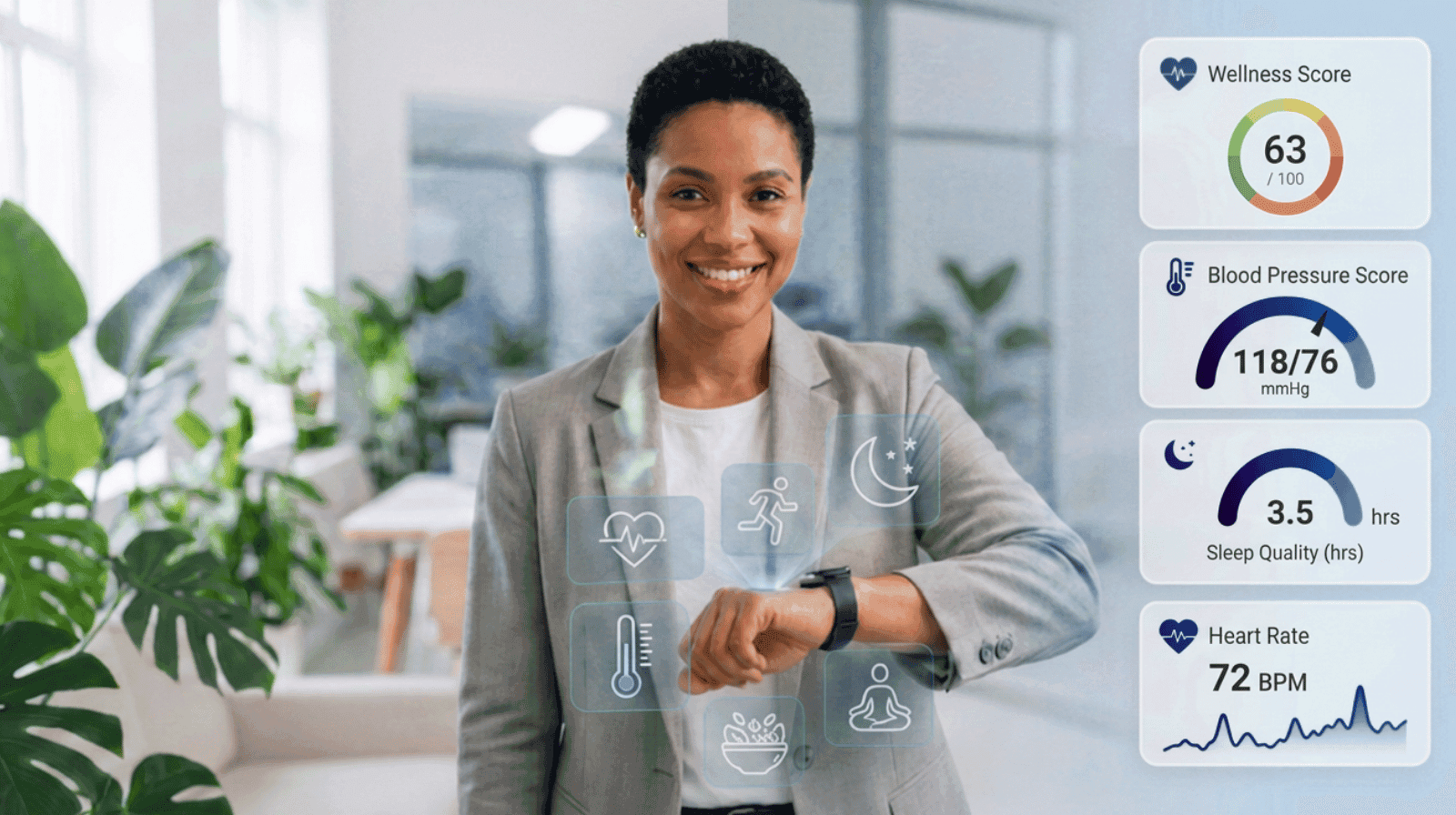
Smarter healthcare benefits provide employers with anonymised insights into:
Chronic disease trends
Utilisation patterns
Preventative care engagement
Workforce health risks
This data allows HR leaders and executives to design better benefits strategies grounded in evidence, not assumptions.
These models don’t just reduce claims.
They transform healthcare from a cost centre into a productivity asset.
Designing Benefits Employees Actually Use
One of the biggest failures in traditional employer healthcare is complexity.
If benefits are difficult to understand or access, employees disengage.
Modern digital health benefits, like those integrated into IVC Health’s Well@Work programme; prioritise:
Simple onboarding
Mobile-first access
Integrated mental health support
Preventative care tools
Ongoing Digital Health Checks
When care is convenient, it becomes part of daily life, not something reserved for emergencies.
The Link Between Healthcare Access and Productivity
Employee health directly impacts:
Concentration
Morale
Safety performance
Retention
Team cohesion
When access to quality care is limited, organisations see:
Higher absenteeism
Increased turnover
Greater burnout risk
Escalating long-term claims
Smarter healthcare benefits reduce friction in access, and friction is what determines utilisation.
Why SMEs Need a Different Model
Large corporates may absorb high insurance premiums. SMEs often cannot.
Affordable healthcare benefits for SMEs must:
Scale cost-effectively
Remove administrative burden
Provide measurable value
Support preventative care
Digital-first, virtual care solutions create access without the overhead of traditional insurance-heavy structures.
This makes modern healthcare benefits accessible even to smaller organisations.
The Strategic Shift Employers Must Make
Healthcare cost pressure is not slowing down.
But how employers respond will determine whether:
Costs escalate unpredictably
Or health becomes a controlled investment
Shifting toward models that prioritise:
Access
Affordability
Early intervention
Measurable outcomes
Protects both budgets and people.
The Bottom Line
At its core, the question is simple:
Are your employees actually using the care you’re paying for?
If utilisation is low, access is complicated, or outcomes are unclear, your benefits strategy needs evolution.
Through the IVC Health Well@Work programme, employers gain access to:
Virtual primary care
Integrated mental health support
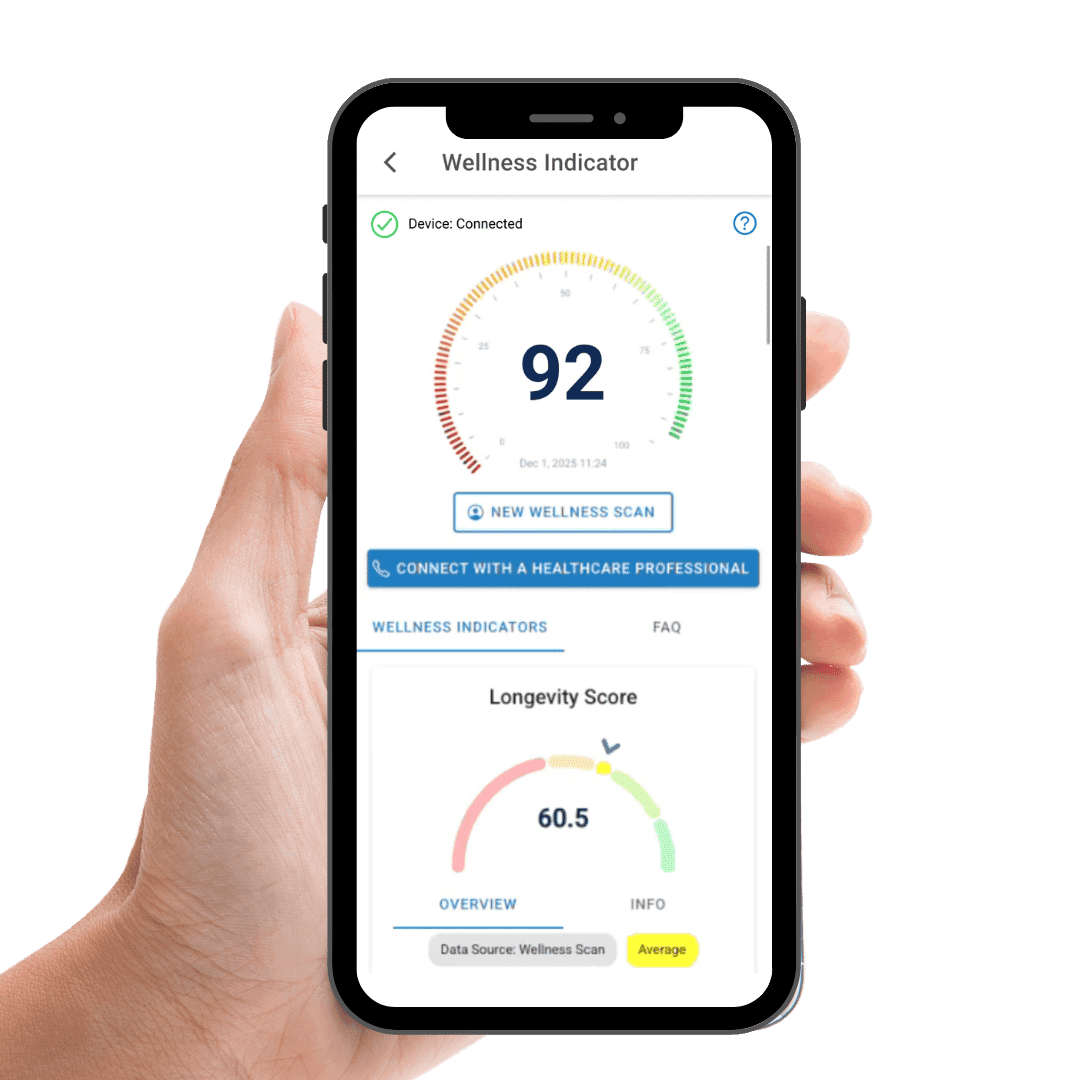
Digital health monitoring
Preventative engagement tools
Data-driven workforce insights
Smarter healthcare benefits are no longer optional. They are a competitive necessity.
This article explains:
Why traditional employer healthcare models are becoming unsustainable
How low utilisation increases long-term productivity costs
The benefits of virtual primary care for employees
Why zero-cost access improves engagement
How IVC Health Well@Work delivers measurable healthcare outcomes
More blogs
Handpicked insights that matter most right now. Explore expert perspectives, trending health topics, and must-read updates from the IVC Health team.