Discover why nutrition deserves equal status with prescriptions in chronic disease care. Learn how food as medicine supports diabetes, heart health, obesity management, and holistic wellness through IVC Health VirtualCare.
5 min read
Nutrition
| Maryke Oberholzer
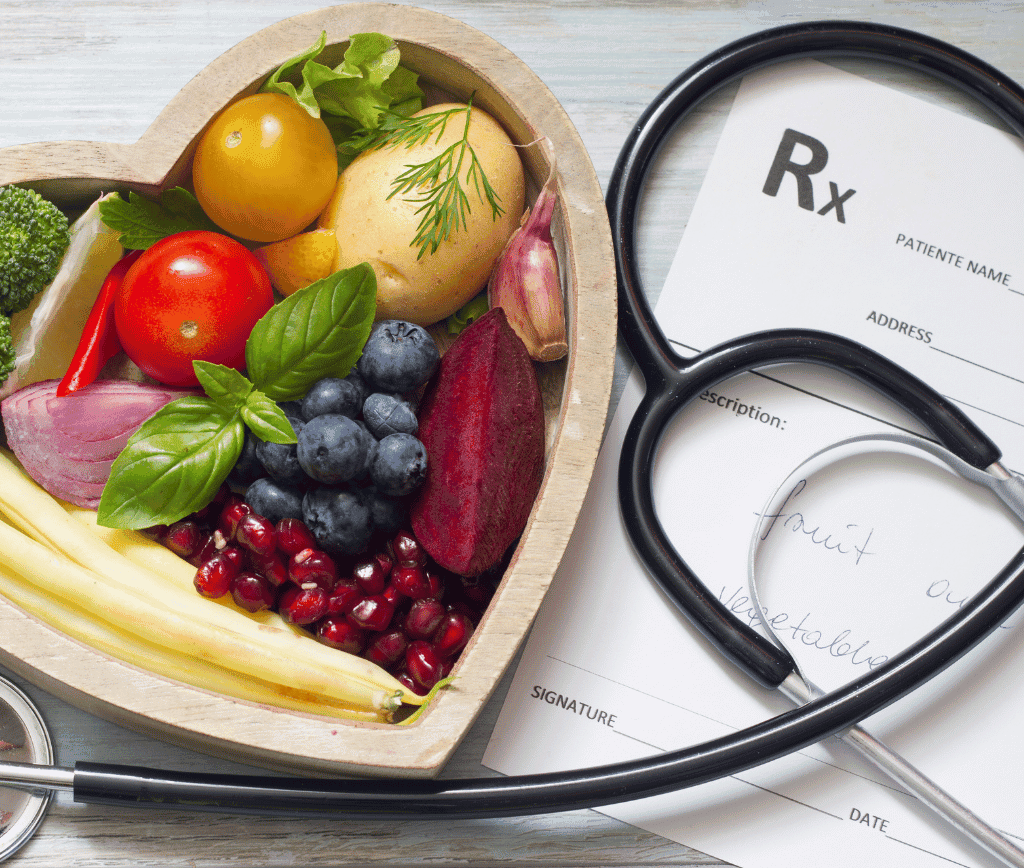
Modern medicine is evolving, and nutrition is finally taking its rightful place at the table.
We are encouraged by the strong endorsement from the American Medical Association (AMA) supporting expanded nutrition education in medical schools. Their recognition that diet plays a central role in preventing and managing chronic disease marks a powerful shift in healthcare priorities.
At IVC Health, this aligns perfectly with our mission: delivering holistic, digital-first healthcare solutions that empower patients to take control of their health through evidence-based nutrition, VirtualCare consultations, and integrated chronic disease support.
Because the truth is simple:
Food is not just fuel.
Food is medicine.
The Shift in Medical Training: Why Doctors Are Learning Nutrition
Historically, medical training has focused heavily on pharmacology and surgical interventions. While prescriptions save lives, they often manage symptoms rather than address root causes.
Now, the Liaison Committee on Medical Education (LCME) is proposing deeper integration of nutritional science into MD programs. This means future physicians will be trained to:
Use food-based interventions for chronic disease prevention
Apply medical nutrition therapy in clinical settings
Prescribe dietary changes alongside (or before) medication
Counsel patients confidently on evidence-based eating strategies
This shift recognizes something healthcare systems worldwide are beginning to embrace:
Preventative healthcare starts in the kitchen.
By equipping doctors with advanced nutrition knowledge, patients receive more comprehensive care; care that treats the whole person, not just the diagnosis.
Nutrition Rivals Medication in Chronic Disease Management
Chronic diseases like:
are strongly linked to dietary patterns.
Research consistently shows that targeted nutrition strategies can:
Improve blood sugar control
Lower systemic inflammation
Reduce LDL cholesterol
Improve insulin sensitivity
Support healthy weight management
In many cases, structured dietary interventions can reduce medication dependency, and sometimes prevent the need for medication entirely.
For example:
A high-fiber, low-glycemic eating plan can stabilize blood sugar levels in people with prediabetes.
Omega-3-rich foods can support heart health and lower triglycerides.
Anti-inflammatory diets can reduce markers associated with chronic illness.
This is not alternative medicine, this is evidence-based clinical nutrition.
At IVC Health, our registered dietitians provide virtual nutrition consultations designed to deliver measurable outcomes. Through telehealth, patients receive personalised medical nutrition therapy tailored to their health conditions, lifestyle, and goals.
Why “Food as Medicine” Is a Long-Term Solution
Medication often manages symptoms. Nutrition addresses root causes.
While prescriptions can be essential and life-saving, they are most powerful when paired with sustainable lifestyle interventions. Unlike medication, food impacts multiple systems simultaneously:
Gut microbiome balance
Hormonal regulation
Immune function
Inflammation control
Energy metabolism
A well-structured eating plan works 24 hours a day, without side effects.
This is why leading health organizations globally are advocating for dietitian integration into multidisciplinary healthcare teams. When nutrition is embedded into patient care pathways, outcomes improve significantly.
Patients report:
Better chronic disease control
Increased energy levels
Improved weight stability
Fewer hospital visits
Greater confidence in managing their own health
Food becomes proactive care, not reactive treatment.
Check out this Recipe: Love on a Plate: A Healthy Romantic Dinner for Valentine’s Day
Practical Steps: How Patients Can Start Using Food as Medicine
You don’t need a complete lifestyle overhaul overnight. Small, strategic changes can make a measurable difference.
1. Prioritize Whole Foods
Focus on minimally processed foods rich in nutrients:
Leafy greens
Whole grains
Legumes
Fatty fish
Nuts and seeds
These provide fiber, antioxidants, and healthy fats essential for disease prevention.
2. Stabilize Blood Sugar
Balance meals with:
Lean protein
Healthy fats
Complex carbohydrates
Avoid excessive refined sugars and ultra-processed foods that spike glucose levels.
3. Increase Anti-Inflammatory Nutrients
Include:
Omega-3 sources (salmon, flaxseed)
Colorful fruits and vegetables
Olive oil
Turmeric and ginger
Reducing chronic inflammation lowers risk for heart disease and metabolic disorders.
4. Work with a Registered Dietitian
Personalized guidance dramatically improves results. A dietician can:
Create condition-specific meal plans
Adjust nutrition alongside medication
Monitor progress
Provide accountability and support
Through IVC Health’s Digital Wellness & Care Navigation platform, patients can schedule a virtual consultation with a dietician from the comfort of home.
IVC Health’s Role in Food-First, Digital Healthcare
At IVC Health, we are positioning nutrition consulting at the heart of our digital-first care model.
Inspired by the AMA’s leadership and global healthcare reform trends, our VirtualCare services integrate:
Online dietician consultations
Chronic disease management support
Preventative health strategies
Holistic wellness planning
By combining technology with personalized nutrition care, we help patients move from reactive treatment to proactive health ownership.
Our platform enables patients to:
Access professional nutrition advice remotely
Receive tailored meal plans
Track progress digitally
Integrate food strategies with medical care
The result?
Improved long-term health outcomes.
Reduced healthcare costs.
Empowered self-management.
Check out this Recipe: Healthy Carrot Cake Smoothie Recipe
The Future of Healthcare Is Preventative
Healthcare is shifting from “treating illness” to “building health.”
Nutrition deserves equal status with prescriptions because it influences nearly every chronic condition facing modern society. When food becomes part of the prescription plan, patients gain a powerful tool that works daily, not just when a pill is taken.
The message is clear:
If we want to reduce the burden of diabetes, heart disease, obesity, and metabolic disorders, nutrition must be embedded into primary care.
Food is foundational medicine.
Ready to take control of your health through evidence-based nutrition?
Book a Virtual Dietician Consultation via the IVC Health app today and discover how a personalised food-as-medicine plan can support your chronic disease management, improve energy levels, and reduce long-term health risks.
More blogs
Handpicked insights that matter most right now. Explore expert perspectives, trending health topics, and must-read updates from the IVC Health team.