Spring is the perfect time for a health reset. Discover 7 preventative health checks that can help you spot health risks early and take action.
6 min read
Preventative Health

Spring has a way of making us want to reset.
The days get longer, the weather starts warming up, and suddenly we're thinking about cleaning the house, getting back into a routine, spending more time outdoors and finally sorting out all those things we've been putting off.
For many South Africans, that includes the health admin we've been postponing since January.
That check-up you've been meaning to book? This is your sign.
Your health deserves a plan, not just good intentions
Healthcare shouldn't only matter when something goes wrong.
That's the thinking behind the IVC Health September Health Reset: taking a more proactive approach to your health by understanding where you stand today, identifying potential risks early and taking action where needed.
Preventative healthcare is about more than waiting for symptoms to appear. Regular health checks and appropriate screening can help identify certain health risks or conditions earlier, when they may be easier to manage.
Conditions such as high blood pressure, diabetes and cardiovascular disease can develop without obvious symptoms for a long time. You can feel perfectly fine and still have something worth checking.
So, where should you start?
Here are seven health checks worth putting on your radar this September.
1. Check Your Blood Pressure
High blood pressure, or hypertension, is often described as a "silent" condition because it may not cause noticeable symptoms.
That's what makes checking it so important.
A blood pressure reading is quick and can usually be done at a pharmacy, clinic or GP practice.
Your healthcare professional can advise you on how often you should have your blood pressure checked based on your age, health history and risk factors.
Don't wait until you feel unwell to know your numbers.
2. Check Your Blood Glucose and HbA1c
Type 2 diabetes can develop gradually, and some people may have elevated blood glucose without obvious symptoms.
Blood glucose testing and an HbA1c test can give healthcare professionals useful information about how your body is managing blood sugar.
Your doctor can recommend the most appropriate test and frequency based on your individual risk factors, family history and overall health.
If diabetes runs in your family, you have been told you have elevated blood sugar, or you have other risk factors, it's worth having a conversation with a healthcare professional.
Knowing your numbers is better than guessing.
3. Check Your Cholesterol
Cholesterol is another health factor that can go unnoticed.
A lipid profile can measure different types of cholesterol and triglycerides, helping healthcare professionals assess your cardiovascular risk alongside other factors such as blood pressure, age, lifestyle and family history.
High cholesterol doesn't usually announce itself with a warning sign.
That's why screening and understanding your results can be an important part of preventative healthcare.
Feeling healthy doesn't necessarily tell you what's happening inside your body.
4. Check Your Weight and Waist Circumference
Your weight doesn't tell the whole health story, but it can provide useful information when considered alongside other measurements and risk factors.
Waist circumference can also provide an indication of abdominal fat, which is associated with an increased risk of conditions such as type 2 diabetes and cardiovascular disease.
Your healthcare professional can help interpret these measurements in the context of your overall health rather than treating one number as the final answer.
It's about understanding your health, not chasing a number on a scale.
5. Check In With Your Mental Health
A health check shouldn't only involve blood pressure cuffs and blood tests.
Your mental health matters too.
Ask yourself:
Have I been feeling persistently low or overwhelmed?
Am I constantly exhausted?
Has my sleep changed?
Have I lost interest in things I normally enjoy?
Am I struggling to cope with everyday responsibilities?
Have stress or anxiety started affecting my work or relationships?
If the answer to any of these questions concerns you, consider speaking to a healthcare professional.
September also includes World Suicide Prevention Day on 10 September, providing an important reminder that checking in with someone can be as simple as asking:
"Are you okay?"
And just as importantly, creating workplaces where employees have somewhere to turn when they aren't okay matters too.
Through solutions such as Well@Work, IVC Health helps organisations support employees across areas including mental, physical, financial and legal wellbeing.
6. Talk to a Healthcare Professional About Appropriate Cancer Screening
Cancer screening isn't a one-size-fits-all checklist.
The right screening depends on factors such as your age, sex, family history, personal health history and other risk factors.
Depending on your individual circumstances, this may include discussions around breast cancer screening, cervical screening, prostate health or other appropriate tests.
The important thing is not to assume that "no symptoms" means "nothing to check."
Talk to a qualified healthcare professional about which screenings are appropriate for you and when you should have them.
Being an informed patient also means asking questions, understanding your results and knowing your own health history.
That is an important part of safer, more proactive healthcare.
7. Don't Forget Your Eyes and Teeth
Some of the easiest health appointments to postpone are the ones that don't feel urgent.
Your eyes and teeth are classic examples.
Regular eye examinations can assess changes in your vision and may help identify certain eye conditions or other health concerns.
Dental check-ups can help identify problems such as tooth decay and gum disease before they become painful or more complicated.
How often you need these checks depends on your individual needs and risk factors, so speak to your optometrist or dentist about the appropriate schedule for you.
No pain doesn't always mean no problem.
Why Is September a Good Time for a Health Reset?
There's nothing medically magical about spring.
You don't have to wait for September to have a health check.
But a new season can provide the mental reset many of us need to finally do the things we've been putting off.
Think of this list as a starting point, not a universal checklist.
Your healthcare needs are personal, and the right screening schedule depends on your age, health history, family history, lifestyle and individual risk factors.
If something on this list raises a question about your health, speak to a qualified healthcare professional who can advise you based on your circumstances.
Small checks can make a big difference
Preventative healthcare isn't about worrying about everything that could go wrong.
It's about being informed.
It's about noticing potential risks earlier.
It's about having conversations before something becomes an emergency.
And it's about making your health part of your routine rather than something you only think about when you're sick.
This September, make the appointment you've been putting off.
And if convenience has been the obstacle, remember that healthcare support can be closer than a waiting room.
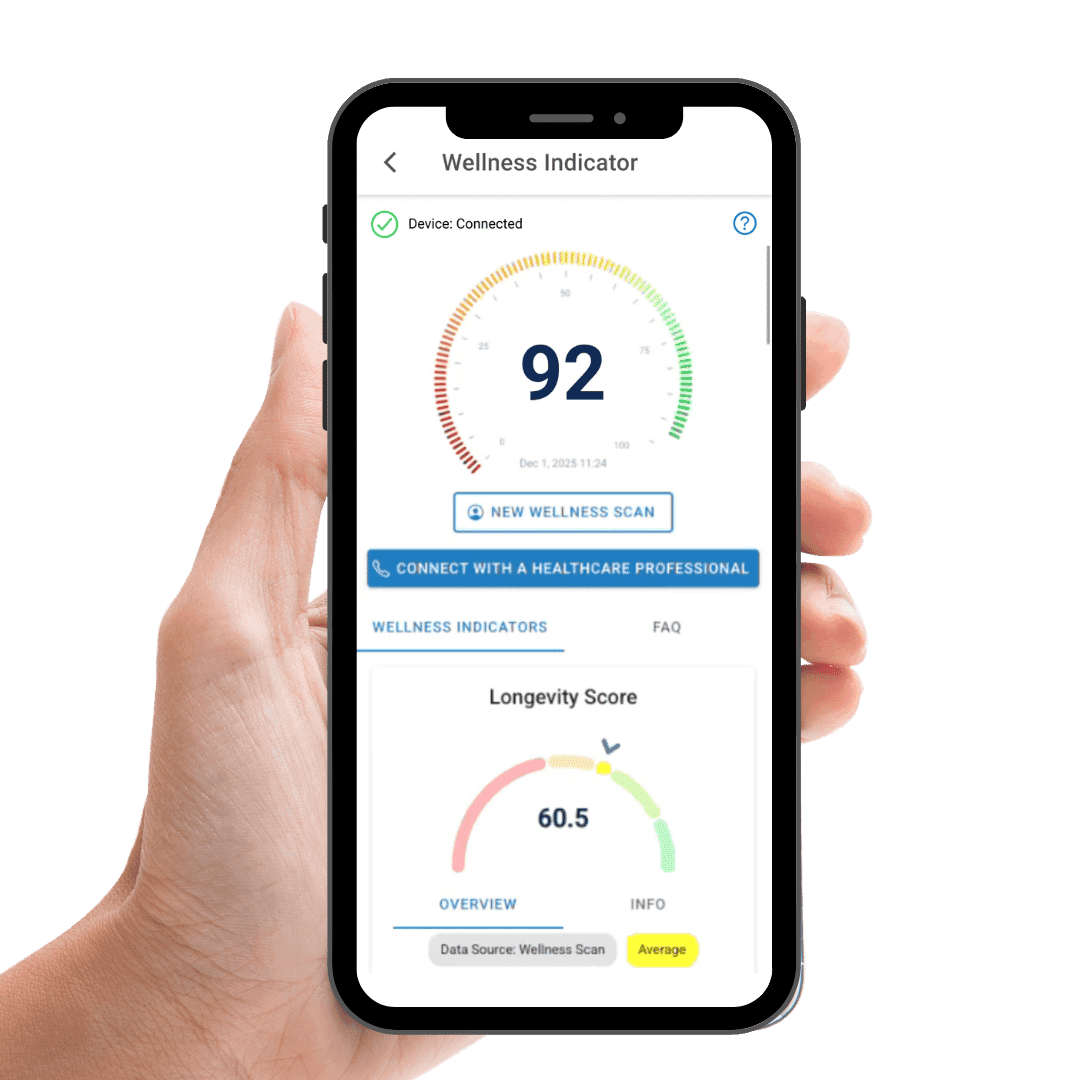
The IVC Health App puts healthcare support in your pocket, including VirtualCare, digital prescriptions and access to your health information, helping make it easier to take action when you need to.
Your health deserves a plan.
When individuals look after their health, families, workplaces and communities are stronger for it.
Take Your Health Into Your Own Hands
Ready to make your health a priority?
Explore the IVC Health App and discover a more convenient way to access healthcare support.
Your September reset starts with one decision: look after yourself.
Health information in this article is provided for general educational purposes and does not replace personalised medical advice, diagnosis or treatment from a qualified healthcare professional.
More blogs
Handpicked insights that matter most right now. Explore expert perspectives, trending health topics, and must-read updates from the IVC Health team.