Think you’re avoiding sugar? Think again. Learn how to spot hidden sugars on South African food labels, reduce intake, and shop smarter with practical tips from IVC Health dieticians.
5 min read
Nutrition
| Maryke Oberholzer
Decoding Sugar on South African Food Labels: Part 2
The hidden names of sugar and how to shop smarter in South Africa
If you missed Part 1, start here 👉 Decoding “Healthy” Food Labels
Are You Eating More Sugar Than You Think?
Let’s be honest, most of us think we’re doing okay when it comes to sugar.
No extra teaspoons in your coffee? Great.
Avoiding fizzy drinks most days? Even better.
But here’s the catch: a lot of sugar in South African foods are hidden in plain sight.
From breakfast cereals to salad dressings and even “healthy” snacks, sugar often shows up under names you wouldn’t immediately recognise.
And here’s the kicker: there are over 60 different names for sugar on food labels.
Once you know what to look for, your whole shopping game changes.
What Does Sugar Actually Do in Your Body?
Before we cancel sugar completely, let’s get this straight.
Sugar isn’t the enemy.
Your body turns sugar into glucose, which fuels:
Your brain
Your muscles
Your daily energy
The difference comes down to where that sugar comes from.
Natural vs Added Sugar
Natural sugars (like in fruit) come with fibre → slower release, steady energy
Added sugars (in processed foods) → quick spikes, then crashes
That crash?
That 3pm slump, irritability, and sudden snack cravings, that’s your blood sugar talking.
Common Sugar Names on South African Food Labels
This is where things get sneaky.
Here are some of the most common names you’ll see locally:
Sucrose
Your standard table sugar. Found in sweets, baked goods, and cooldrinks.
➡️ Fast blood sugar spike.
High Fructose Corn Syrup
Common in processed foods and soft drinks.
➡️ Heavily processed by the liver.
Dextrose / Glucose
Often added to energy drinks and snacks.
➡️ Quick hit of energy… followed by a crash.
Maltose / Barley Malt
Found in cereals and “health” snacks.
➡️ Sounds healthy, still sugar.
Real talk: Different names, same story; too much added sugar messes with your energy, cravings, and long-term health.
How to Spot Hidden Sugar (Without Overthinking It)
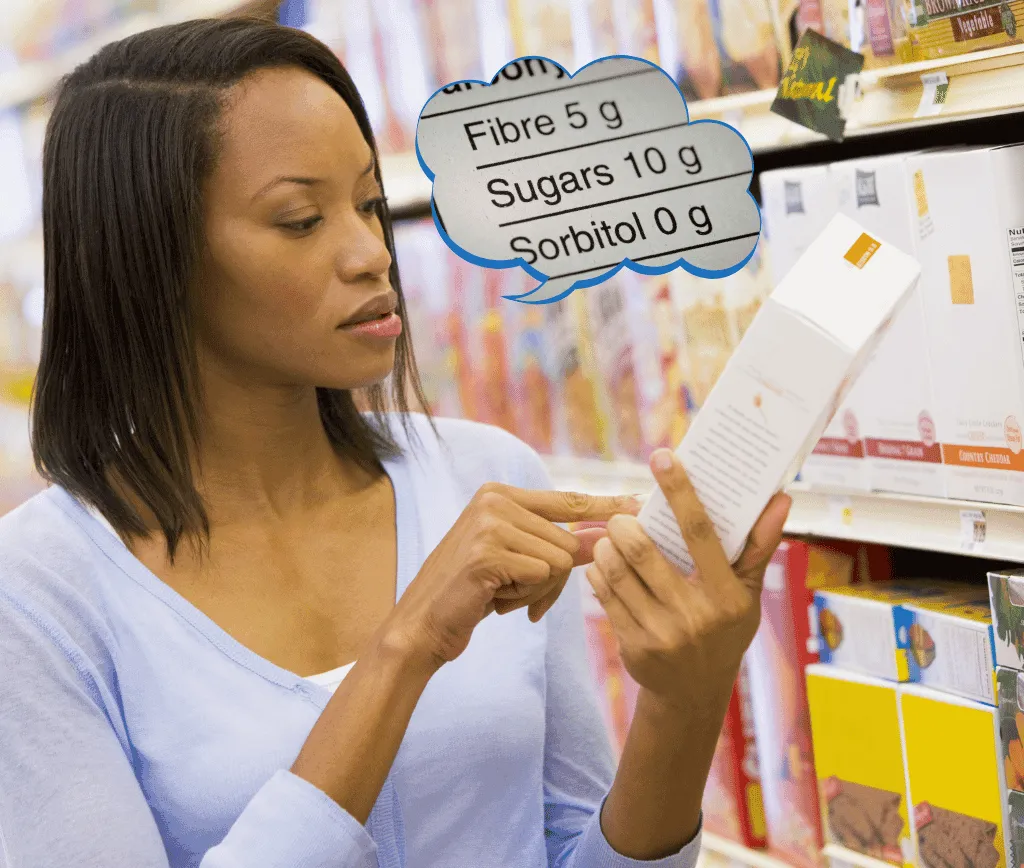
You don’t need to stand in Pick n Pay reading labels for 10 minutes. Keep it simple:
Look for These Red Flags
Words ending in “ose” (glucose, fructose, sucrose)
Anything labelled “syrup”
Sugar listed in the top 3 ingredients
In South Africa, products with more than 10g sugar per 100g are increasingly flagged, use that to your advantage.
Quick Tips for Choosing Lower Sugar Foods
Next time you shop, keep this in mind:
Aim for less than 5g sugar per 100g
If sugar is one of the first ingredients, put it back
Don’t trust packaging claims, compare brands
Watch portion sizes (they’re sneaky small)
Small swaps make a big difference over time.
Why Fibre Is Your Secret Weapon
Here’s the part most people miss.
You don’t just reduce sugar, you balance it.
Fibre slows down how sugar is absorbed, which means:
More stable energy
Fewer cravings
Better digestion
On SA labels, fibre is listed under carbs.
Aim for about 25–30g per day.
If you want practical food ideas, this ties in well with 👉 5 Tips for Eating Real Food (by Maryke Oberholzer)
Affordable High-Fibre Foods in South Africa
Eating well doesn’t have to break the bank.
Here are local, budget-friendly options:
Oats – cheap, filling, perfect breakfast
Brown bread – easy upgrade from white
Apples – grab-and-go snack
Kidney beans – great for bulk meals
Sweet potatoes – filling and nutritious
Broccoli – underrated but powerful
Simple Ways to Add More Fibre Daily
No complicated meal plans; just small upgrades:
Swap sugary cereal → oats
Add beans or lentils to meals
Choose wholegrain bread
Eat fruit with the skin
And don’t forget water; fibre needs it to work properly.
Read Smarter, Not Harder
You don’t need to be a dietician to make better food choices.
Once you understand:
How to spot hidden sugars
How to read ingredient lists
How to balance with fibre
You’re already ahead of most shoppers.
Need Help Making Better Food Choices?
At IVC Health, our dieticians help you cut through the confusion and build habits that actually stick.
Whether it’s:
Managing energy levels
Improving your diet
Or understanding your health better
You can access support through:
Virtual consultations
Personalised guidance
Digital health tools
Discover why nutrition deserves equal status with prescriptions: 👉 Why Nutrition Deserves Equal Status with Prescriptions
In this blog, we covered:
How to identify hidden sugar on South African food labels
Common names for added sugar
How sugar affects your energy and cravings
Simple ways to choose lower sugar foods
Why fibre helps balance blood sugar
More blogs
Handpicked insights that matter most right now. Explore expert perspectives, trending health topics, and must-read updates from the IVC Health team.